

What is AGGI? A Beginner's Guide to the New AI Farming Revolution
Plant Culture Systems just launched AGGI, a free AI-native platform for farmers. Here is what beginners need to know about the new era of digital agriculture.
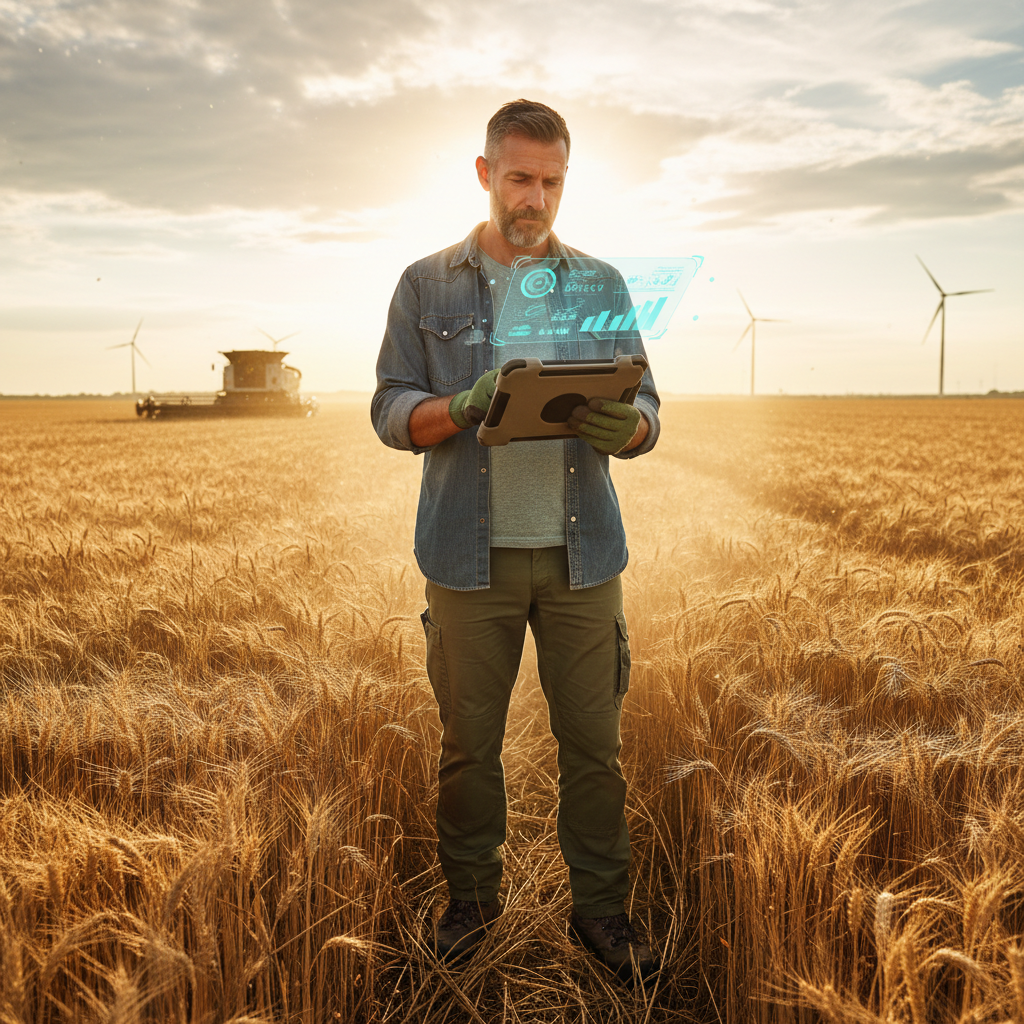
Artificial intelligence is no longer confined to sleek corporate offices or massive data centers; its next major frontier is the very soil that feeds the globe. In the summer of 2026, the agricultural sector is undergoing a profound digital transformation. While we have seen heavy machinery get smarter and automated tractors roam the fields, the software running daily farm operations has often remained fragmented, highly technical, and prohibitively expensive for the average grower.
That narrative shifted dramatically this week. On Tuesday, a major development broke cover when Plant Culture Systems officially announced the public launch of AGGI. Designed specifically for the agricultural sector, the company released an AI-powered farm intelligence platform aimed at democratizing access to high-tier agronomy tools. By providing farmers with a free gateway to monitor crop conditions, weather patterns, and field activities, this launch represents a turning point. But for those outside the agribusiness bubble, the sudden influx of AI terminology can be overwhelming. What exactly does an "AI-native digital agriculture platform" do, and why is this launch so critical for the future of our food supply?
The Problem with Legacy Farm Technology
To understand why this week's announcement is making waves, we first need to look at the traditional state of agricultural technology. For the past decade, "precision agriculture" has been a buzzword. It promised a utopian vision where farmers would use satellites and sensors to know exactly which square foot of land needed water or fertilizer.
However, the reality for most independent farmers was vastly different. Accessing these insights required purchasing expensive software licenses, installing complicated proprietary sensors, and hiring agronomists to interpret the raw data. A farmer might receive a daily satellite image of their farm, but translating a heat map of infrared reflections into an actionable decision—like "spray pesticide on the north quadrant today"—required specialized knowledge.
This is where the new wave of AI comes in. Just as generative AI made coding accessible to non-programmers, new platforms like AGGI use advanced machine learning models to act as an on-demand, digital agronomist. Instead of drowning a user in spreadsheets and raw sensor outputs, these systems synthesize millions of data points into simple, conversational alerts.
How AI is Rewriting the Rules of Crop Management
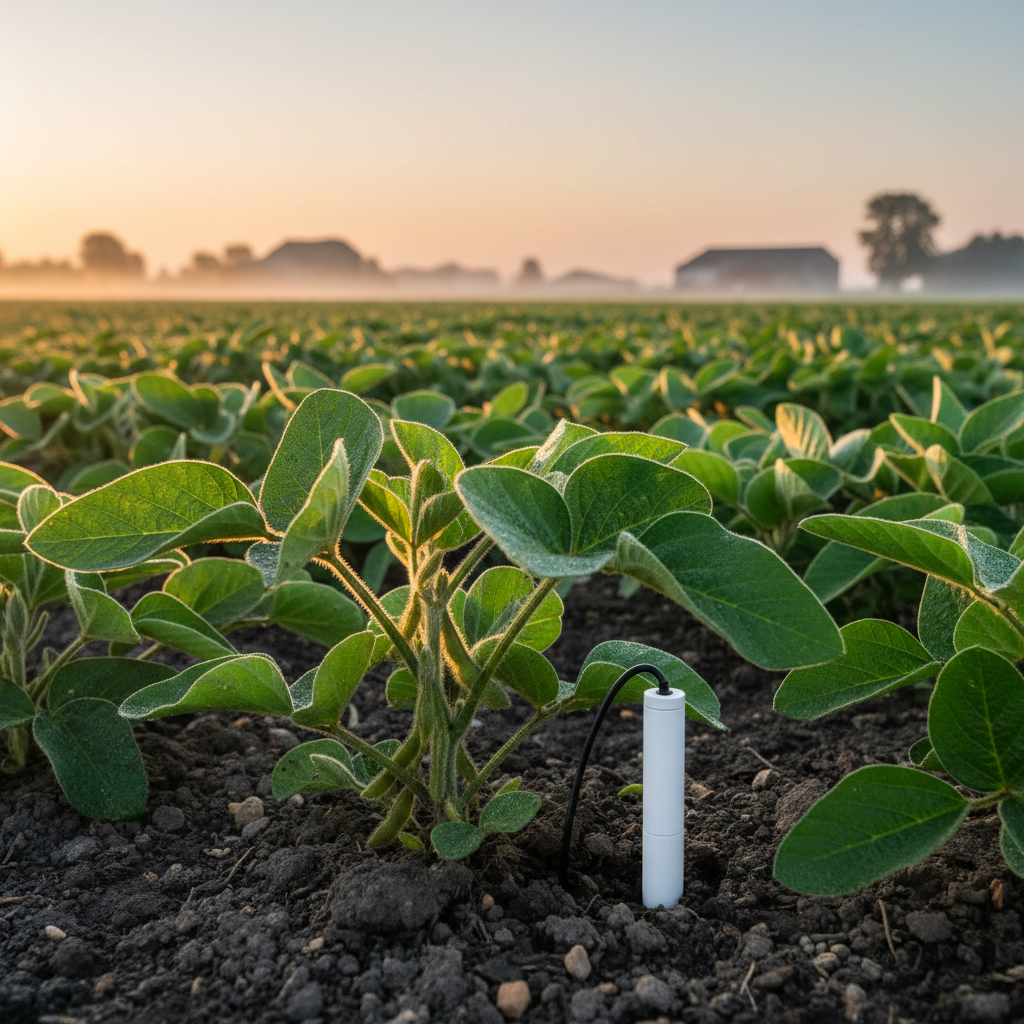
Today’s AI-native agricultural tools are designed to take the guesswork out of farming by integrating diverse data streams. Consider the sheer volume of information a modern farm generates. There are hyper-local weather forecasts, historical yield data, current market prices for commodities, soil moisture readings, and aerial imagery from drones.
Machine learning algorithms excel at finding patterns in this chaos. For instance, an AI model can look at the current temperature trends, combine them with soil moisture data, and predict a high risk of fungal disease in a specific crop variety days before human eyes could spot the first signs of blight on a leaf.
Interestingly, while retail giants are rushing to deploy production-grade logistics AI and discovering a critical hardware gap in their operations, agricultural AI platforms are actively sidestepping these computing bottlenecks. Because most farms do not have server racks in their barns, platforms like AGGI rely heavily on cloud computing and efficient edge processing directly on standard smartphones or rugged tablets. The heavy computational lifting—processing satellite imagery and running predictive weather models—happens remotely, delivering only the crucial insights to the farmer's device in real-time.
The Tangible Benefits: From Soil to Harvest
If you are new to the concept of digital agriculture, it is helpful to break down the tangible ways these AI tools are deployed on a daily basis. The recent rollout from Plant Culture Systems highlights several core operational pillars that artificial intelligence is optimizing.
- Monitoring Crop Conditions: AI models analyze multi-spectral images from satellites and drones. These images reveal plant health by measuring the light reflecting off the leaves. The AI instantly identifies areas of stress, whether from pests, disease, or nutrient deficiency, allowing farmers to spot-treat issues rather than blanketing an entire field with chemicals.
- Hyper-Local Weather Intelligence: General meteorology is often too broad for farming. A 30% chance of rain in a county does not tell a farmer if their specific 500-acre plot will get wet. AI platforms synthesize global weather data with local topography to provide micro-climate forecasts, determining the absolute best hours to plant or harvest.
- Field Activity Tracking: Managing a large farm involves coordinating tractors, human labor, and supply deliveries. AI acts as an operational manager, tracking which fields have been serviced and suggesting optimized routes to save on fuel and labor costs.
The Shift Toward Sustainable and Free-Access Tools
Perhaps the most disruptive element of this week's news is the business model. By expanding access to these AI-powered tools for free, Plant Culture Systems is initiating a massive shift in how agricultural data is treated. Historically, high-end insights were paywalled, meaning only massive corporate mega-farms could afford to optimize their yields and minimize their environmental footprint.
Providing free access to predictive intelligence has massive implications for global sustainability. When a small-to-medium-sized farm uses AI to calculate the exact amount of nitrogen fertilizer needed, it prevents the excess chemicals from washing into local waterways. When AI predicts the perfect irrigation schedule, it conserves millions of gallons of freshwater. By democratizing the technology, the entire agricultural sector becomes inherently greener.
The Road Ahead for Digital Agriculture
As we move deeper into late 2026, the integration of AI into our food systems is accelerating rapidly. The launch of AGGI is not just an isolated product drop; it is a clear indicator that the barrier to entry for advanced farm intelligence has officially collapsed. Farmers can now leverage the same class of predictive technology that Wall Street uses for high-frequency trading.
However, this rapid digital integration does raise important questions about data sovereignty and security. If a single AI platform processes the crop health and yield predictions for thousands of farms, that data becomes incredibly valuable—and potentially vulnerable. As AI becomes deeply embedded in the critical infrastructure of our food supply chain, many industry analysts argue that policymakers must step in. Ensuring that agricultural data remains in the hands of the farmers will require definitive government guidelines to protect both privacy and national food security.
For now, the story remains overwhelmingly positive. Artificial intelligence is finally stepping out of the digital ether and getting its hands dirty. By transforming complex agronomic data into accessible, free-to-use tools, AI is helping farmers produce more food with fewer resources—a vital necessity as the global climate continues to evolve.
Frequently asked questions
What is an AI-native digital agriculture platform?
It is a software system built from the ground up using artificial intelligence to analyze farm data. Instead of just displaying raw statistics, it uses machine learning to actively predict crop health, weather impacts, and operational efficiency.
How does AI help farmers monitor crop conditions?
AI processes aerial imagery from satellites or drones to analyze plant health at a granular level. It can detect early signs of disease, pest infestations, or nutrient deficiencies before they are visible to the human eye.
Why is the launch of AGGI significant for agriculture?
Launched by Plant Culture Systems in August 2026, AGGI provides farmers with free access to advanced, AI-powered farm intelligence tools, effectively democratizing high-end agronomy technology that was previously too expensive for smaller operations.
Does AI in farming help with sustainability?
Yes. By telling farmers exactly when and where to apply water, fertilizer, and pesticides, AI dramatically reduces chemical runoff and conserves resources, making farming operations significantly more sustainable.
Join 45,000+ AI builders.
Three tools, two insights, one strategy — every Sunday. The signal cuts through the noise.
Free forever · unsubscribe anytime · no account required
Related reads

A Beginner's Guide to AI Drug Testing: How 3D Tumors Are Reshaping Medicine
This week, researchers revealed a breakthrough combining 3D-printed patient tumors with real-time AI observation, eliminating the guesswork from cancer treatments.

Nightshade Explained: How Artists Are Poisoning AI Models in Self-Defense
As AI image generators continue to scrape the web without consent, artists are fighting back with Nightshade—a controversial tool designed to deliberately break AI models from the inside out.

A Beginner's Guide to AlphaFold 3: AI's Medical Revolution
Google DeepMind's AlphaFold 3 is fundamentally changing how scientists create new medications. This beginner-friendly guide explains the massive medical breakthrough.