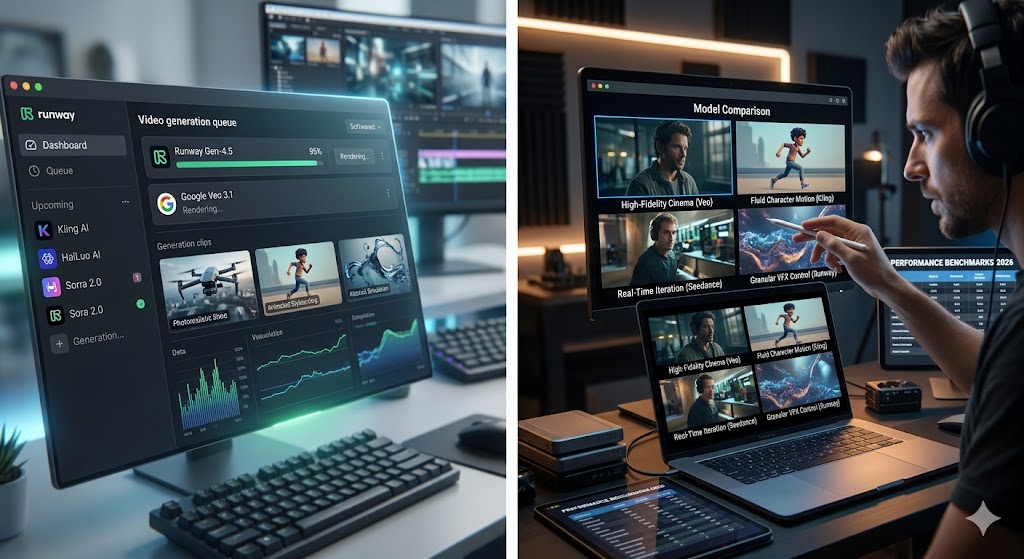

Adobe Firefly Video Launch: How Generative AI is Reshaping Premiere Pro
Adobe has officially launched its Firefly Video Model, integrating generative AI directly into Premiere Pro to revolutionize how creators edit media.
For nearly a century, the art of film editing has been defined by frame-by-frame precision. Editor and director relationships have hinged on the painstaking manipulation of raw footage, cutting and stretching clips to tell a narrative. The advent of Non-Linear Editing (NLE) platforms in the 1990s digitized this process, but the fundamental mechanics remained unchanged. Today, we are standing on the precipice of a new era for media creators. Adobe has officially rolled out its highly anticipated Firefly Video Model, embedding deeply capable generative AI directly into Premiere Pro. This launch signals a massive paradigm shift in production, transitioning artificial intelligence from a novel, standalone gimmick into a core utility for professional filmmakers, journalists, and commercial creators.
While the broader tech industry has been captivated by the standalone marvels of closed AI video generators, integrating these systems into legacy post-production workflows has remained a persistent hurdle. Most generative models demand that creators leave their primary environment, generate content on a web platform, and blindly import the results, hoping the color science and frame rates match their timeline. Adobe's latest update shatters this segmented workflow. By weaving the Firefly Video Model directly into the Premiere Pro timeline, the company is answering one of the most pressing demands of the creator economy: native integration that respects the professional editor's craft rather than attempting to replace it wholesale.
The Commercial Safety Proposition
Before diving into the technical features of the Premiere Pro integration, it is crucial to understand the architectural philosophy behind Adobe's AI push. In the wider generative landscape, copyright infringement and ethical data scraping have sparked massive industry backlash. Independent artists, furious over the unauthorized use of their life's work to train massive datasets, have increasingly turned to adversarial tactics like AI data poisoning to disrupt encroaching algorithms. Major film and television studios share a similar degree of paranoia, generally prohibiting their editorial staff from using unverified AI generators for fear of IP contagion and future legal liabilities.
Adobe recognized this friction early on and engineered the Firefly Video Model specifically as a legally viable alternative. According to the company, the network is trained exclusively on licensed content from the massive Adobe Stock library, alongside open-licensed and public domain media where copyright has expired. Adobe explicitly guarantees that the model has not ingested user content or unauthorized scraped data from internet portfolios. For professional editors working on broadcast television, agency commercials, or high-tier journalism, this commercial indemnification is not just a perk; it is a mandatory prerequisite for adopting new software.
Generative Extend: Redefining the Timeline
The flagship feature of this rollout—and arguably the most impactful practical tool for daily video editing—is "Generative Extend." Every editor knows the frustration of a clip that ends just one second too soon. Perhaps a subject broke eye contact prematurely, or an action sequence needs a few extra frames to match the rhythm of a musical cue. Historically, fixing this required tedious workarounds: applying slow-motion optical flow, attempting hidden cross-dissolves, inserting freeze frames, or simply compromising the edit's pacing.
Generative Extend solves this seamlessly. By simply clicking and dragging the edge of a video clip on the Premiere Pro timeline, the Firefly model synthesizes entirely new frames, projecting the physics, lighting, and motion of the shot forward in time. Early beta tests demonstrate a remarkable capability to maintain complex subject coherence. If a character is walking through a sunlit forest, Generative Extend seamlessly fabricates the continued shifting of dappled light across their face and the rustling of leaves in the background.
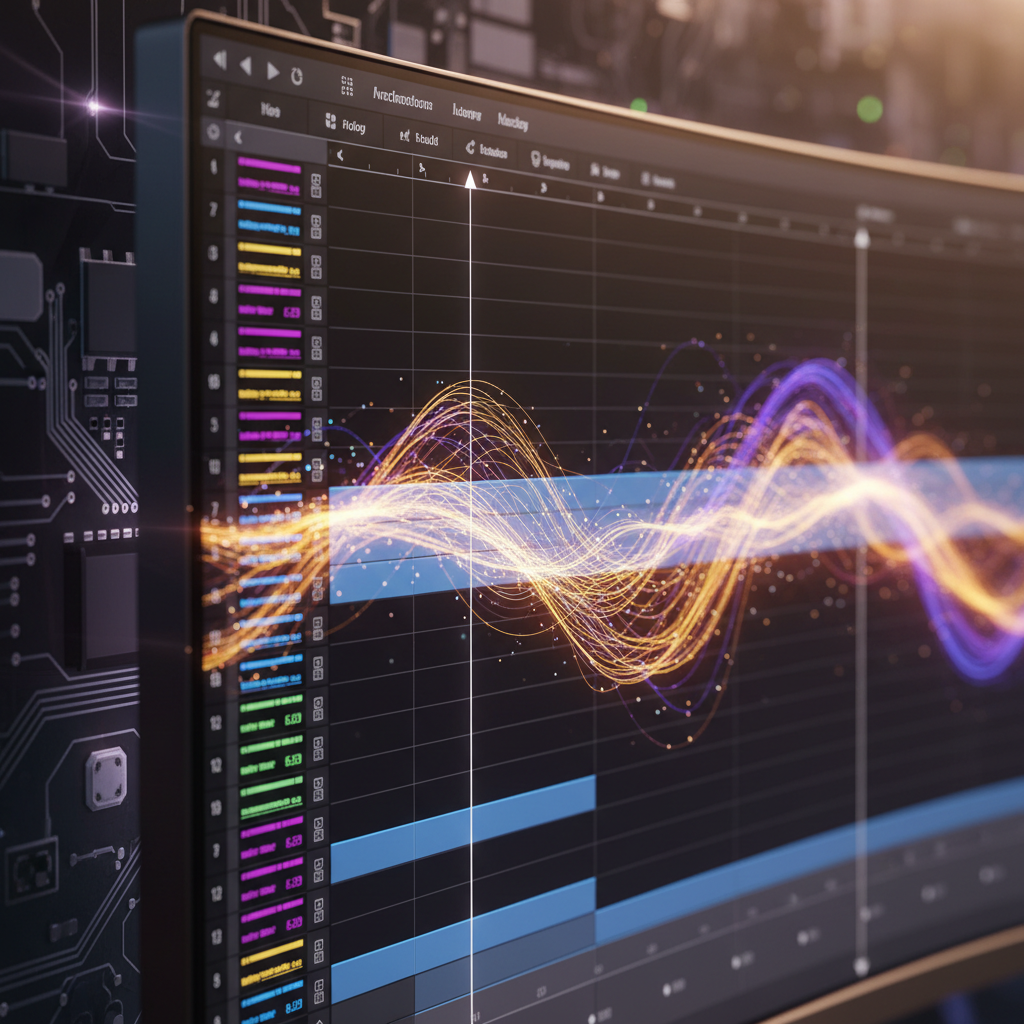
Crucially, this tool operates intelligently on both a visual and auditory level. Beyond synthesizing temporal video, it can generate corresponding ambient room tone to smooth out audio transitions. This capability eliminates the need to painstakingly hunt for "silence" in raw footage just to string together a disjointed vocal track. For creators running on incredibly tight deadlines, saving minutes per cut compounds across a massive project, potentially shaving days off standard post-production schedules.
The Web App: Text-to-Video and Pre-Visualization
Beyond the native Premiere Pro timeline tools, Adobe's launch includes a dedicated web interface that provides broader Text-to-Video and Image-to-Video capabilities. These features are positioned less as final-cut generators and more as high-powered pre-visualization and b-roll engines for directors and motion designers.
- Text-to-Video: Users can prompt the generator with highly specific cinematic lighting setups, lens choices, and camera movements. Need a "wide drone shot of a misty Scottish highland at golden hour"? The model generates it.
- Image-to-Video: Creators can upload a static reference image—perhaps a storyboard sketch or a still photograph—and prompt the engine to animate it. This bridges the gap between traditional 2D concept art and dynamic motion graphics.
- Camera Controls: Unlike early AI tools that output chaotic, unpredictable motion, Adobe provides precise interface sliders to control pan, tilt, zoom, and camera speed, affording directors vital granular control.
These capabilities heavily empower independent journalists and documentarians, who often lack the budget to shoot expensive macro inserts or aerial transitions. Now, they can synthesize high-quality, commercially safe b-roll that dramatically elevates the production value of their storytelling.
Navigating the Expanding AI Hollywood Ecosystem
Adobe is making this aggressive push into generative workflows amidst a broader digital arms race. Major entertainment forces are already making their respective bedfellows in this space. For example, prominent studios are attempting to lock down proprietary AI video infrastructure to vertically integrate their production pipelines. However, Adobe's strategy is undeniably democratic. They are targeting the millions of existing Creative Cloud subscribers—from solo YouTubers to massive agency floors.
"The integration of generative models at the timeline level fundamentally shifts the editor's role from a mechanic of raw material to a true directorial partner. We are moving from technical drudgery to pure creative ideation."
The stakes are high. By deeply embedding this technology into Premiere Pro, Adobe seeks to actively challenge AI video rivals who operate mostly as disconnected, isolated web services. A standalone AI generator feels like a toy; an AI tool built into the very software used to cut Hollywood features becomes an industry standard overnight.
The Future of Human Creativity
Naturally, the launch of computational tools that mimic human decision-making reignites fears surrounding job displacement. If an AI can generate b-roll on command and extend scenes automatically, some fear that entry-level roles—like assistant editors and stock footage researchers—could see a contraction. Adobe has heavily messaged Firefly as a "co-pilot," emphasizing that AI cannot understand narrative pacing, emotional resonance, or the nuanced context of a documentary subject.
The current reality of the Adobe Firefly Video Model integration is one of empowerment rather than replacement. It automates the most frustrating, manual aspects of the post-production process, liberating editors to focus on the holistic storytelling arc. As Premiere Pro and other legacy applications continue to mature throughout 2025 alongside rising multimodal AI architectures, the barrier to realizing cinematic visions will lower drastically. The future of media creation will not belong purely to human hands, nor purely to algorithmic generation, but to the seamless, augmented collaboration between the two.
Frequently asked questions
What is the Adobe Firefly Video Model?
The Adobe Firefly Video Model is a generative artificial intelligence system developed by Adobe. It is designed to generate video from text and image prompts, and crucially, it integrates directly into Premiere Pro to seamlessly extend existing video clips on an editing timeline.
Is Adobe's AI video tool safe for commercial use?
Yes. Adobe specifically trained the Firefly Video Model using licensed content from Adobe Stock, public domain media, and other legally cleared assets. This ensures the model is commercially safe and indemnifies creators against copyright infringement issues.
How does Generative Extend work in Premiere Pro?
Generative Extend allows editors to click and drag the end of a video clip to add extra frames. The AI analyzes the existing footage and automatically synthesizes new, seamless video and audio to prolong the scene, fixing short clips without altering pacing.
Will AI video features replace human editors?
Adobe positions these AI features as "co-pilots" rather than replacements. The tools are designed to automate tedious tasks, such as generating missing b-roll or fixing prematurely cut clips, freeing up the editor to focus on creative storytelling and narrative structure.
Join 45,000+ AI builders.
Three tools, two insights, one strategy — every Sunday. The signal cuts through the noise.
Free forever · unsubscribe anytime · no account required