Anthropic Unveils Claude Autonomous Workspace: The Next Era of Enterprise AI
Anthropic's new enterprise agent framework shifts AI from a passive chatbot to an active, autonomous workflow manager, redefining corporate ROI.
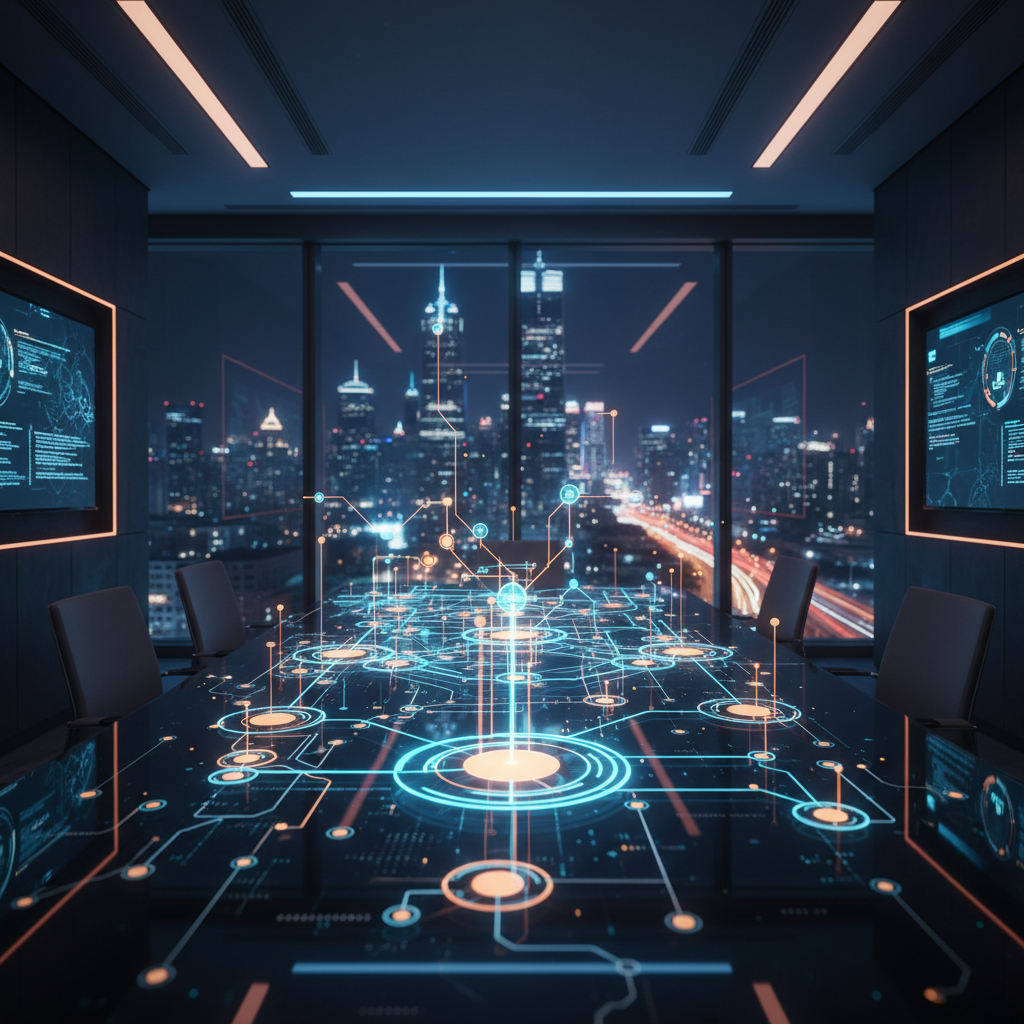
For the past three years, the corporate world has treated generative AI as an exceptionally capable intern—a tool to draft emails, summarize meetings, and generate boilerplate code. But this week, the dynamic shifted fundamentally. In a major product event on Tuesday, Anthropic launched the Claude Autonomous Workspace (CAW), a sweeping expansion of their enterprise tier designed to execute multi-step, cross-platform workflows without human hand-holding.
As we navigate late August 2026, the artificial intelligence landscape is rapidly transitioning from passive generation to active execution. The introduction of CAW marks a critical milestone in business adoption, proving that AI can move beyond the chat interface and embed itself deeply into the operational nervous system of a company. By integrating directly with major SaaS platforms like Salesforce, Workday, and SAP, this new architecture allows businesses to automate complex processes that previously required entire teams of human coordinators.
The Shift from Conversational to Agentic AI
To understand the significance of this week’s launch, we have to look at the evolution of enterprise automation. Traditional robotic process automation (RPA) was brittle; it relied on rigid rules and broke when user interfaces changed or data formats varied. The first wave of generative AI was flexible but lacked agency. You could ask a model to analyze a spreadsheet, but you couldn't ask it to log into your CRM, identify churn-risk clients, draft personalized retention offers, route them to account executives for approval, and then update the database.
The Claude Autonomous Workspace bridges this gap. By utilizing advanced multi-agent orchestration, the system can break down high-level business objectives into sequential tasks, navigating corporate software stacks autonomously. This capability is already making waves across highly regulated sectors, similar to how forward-thinking medical institutions have begun to deploy agentic AI to manage complex patient intake and data reconciliation processes.
"We are no longer building tools that wait for a prompt," noted an Anthropic product lead during Tuesday's keynote. "We are building systems that understand business context, monitor data streams, and take autonomous, verifiable actions to drive corporate objectives forward."
Breaking Down the ROI of Autonomous Workflows
For enterprise leaders, the most pressing question surrounding AI has always been about return on investment. While early generative AI adoption boosted individual productivity, it was difficult to quantify on a macroeconomic scale. The CAW framework changes the math by directly targeting operational bottlenecks.
- Procurement and Supply Chain: Early beta testers reported a 40% reduction in procurement cycle times. The AI autonomously cross-references vendor contracts, tracks inventory thresholds, and initiates purchase orders.
- Human Resources: Employee onboarding, typically a fragmented process spanning IT, HR, and departmental training, is now managed by a single AI agent that provisions software licenses, schedules orientation meetings, and drafts compliance documentation.
- Financial Reconciliation: Month-end closing processes that traditionally took finance teams five to seven business days are being compressed into hours, as AI agents autonomously match invoices to purchase orders and flag discrepancies for human review.
Industry Case Studies: Where Autonomous AI Shines
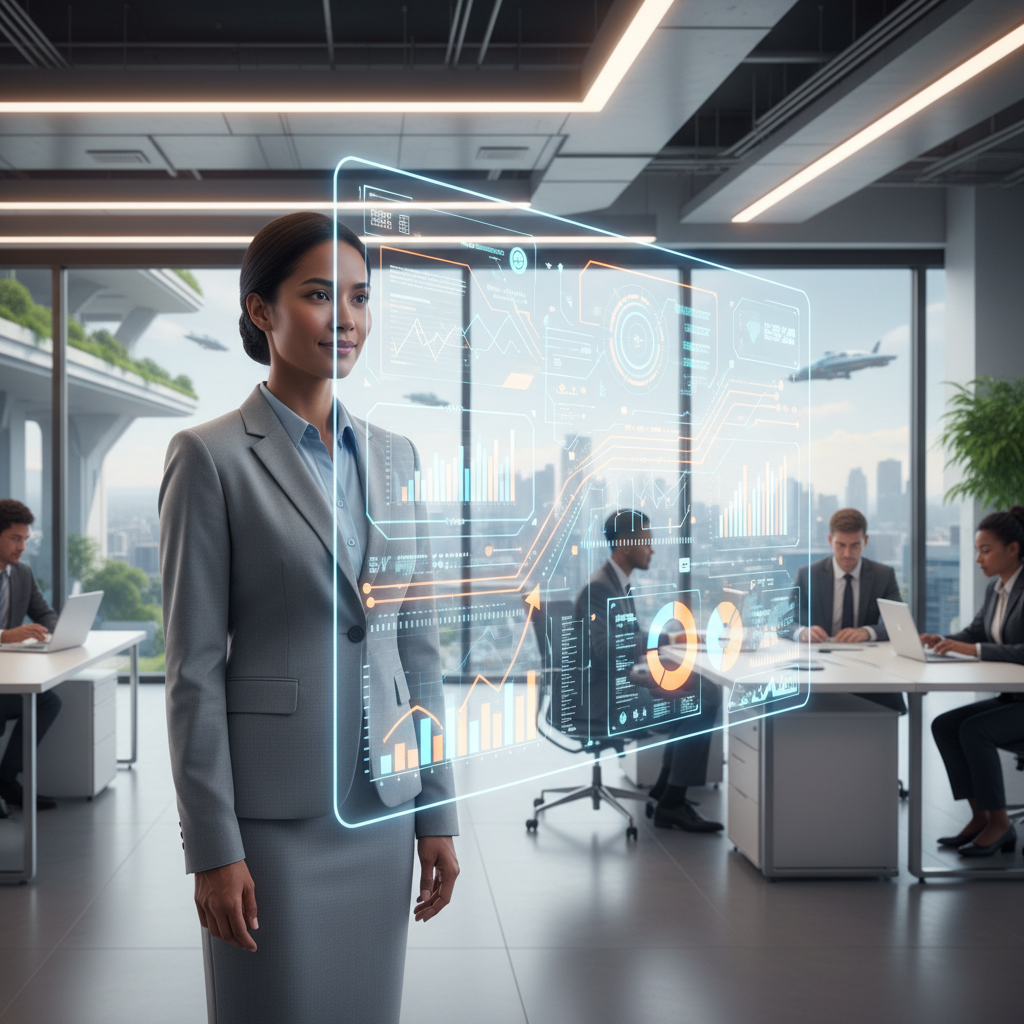
While the product was officially unveiled to the public just days ago, several Fortune 500 companies participated in a closed pilot program over the summer. Their adoption case studies provide a revealing look into the transformative power of enterprise AI.
Financial Services and Risk Management
A leading multinational bank utilized the new framework to overhaul its anti-money laundering (AML) compliance operations. Previously, human analysts spent 70% of their time gathering data from disparate internal systems before they could even begin assessing a flagged transaction. By deploying Claude's autonomous agents, the bank automated the entire data-gathering and preliminary synthesis phase. The AI compiles a comprehensive dossier, scores the risk based on historical parameters, and presents a finalized report for human approval. The result? A 65% increase in case throughput and a significant reduction in false positives.
Retail and Inventory Logistics
In the retail sector, a major global apparel brand integrated the system into its global supply chain. When a sudden disruption occurred at a major shipping port last month, the AI didn't just alert the logistics team—it proactively queried alternative freight routes, calculated the cost differential, checked warehouse buffer stocks, and presented three actionable rerouting plans to the supply chain director. This level of proactive problem-solving represents a massive leap over legacy notification systems.
Managing the Workforce Transition
Naturally, the deployment of autonomous workflow systems raises immediate questions about workforce displacement. If an AI can manage month-end financial closing or routine supply chain logistics, what happens to the employees who traditionally handled those tasks?
Industry analysts tracking these late-2026 developments suggest that while certain entry-level administrative roles are undoubtedly being squeezed, the enterprise AI boom is simultaneously creating lucrative new career paths. Companies are desperately seeking "AI Workflow Architects" and "Agent Governance Managers"—professionals who understand both business logic and AI orchestration.
The human role is shifting from execution to oversight. Employees are transitioning into strategic supervisors who review AI-generated plans, handle high-stakes exceptions, and optimize the overarching business strategy. The consensus among early adopters is that companies won't necessarily shrink their workforce; rather, they will drastically increase their output and operational velocity with the same headcount.
Enterprise-Grade Governance and Security
Of course, giving an AI system the "keys to the kingdom"—allowing it to execute actions in live production environments—requires unprecedented levels of security. A core component of this week's announcement focused on what Anthropic calls "Cryptographic Action Verification."
Every action taken by an AI agent within the CAW environment is logged on an immutable ledger. Furthermore, businesses can set granular "confidence thresholds." For instance, an AI might be permitted to automatically approve IT hardware requests under $500, but any request above that amount triggers a mandatory "human-in-the-loop" approval flow. This tiered governance model is crucial for mitigating the risks of hallucination or algorithmic drift.
For organizations looking to deeply integrate these systems, reviewing the official Claude enterprise capabilities documentation is an essential first step. The platform relies heavily on robust data encryption, SOC 2 Type II compliance, and strict data residency controls, ensuring that proprietary business data is never used to train generalized consumer models.
The Road Ahead
As we close out August 2026, the launch of the Claude Autonomous Workspace serves as a clear indicator of where business technology is headed. We have moved past the novelty phase of chatbots and into the era of digital co-workers. For enterprises, the mandate is clear: the competitive advantage will no longer belong to those who simply adopt AI, but to those who most effectively redesign their organizational workflows around autonomous agents. The next twelve months will be critical as businesses race to integrate these capabilities, and those who lag behind may find themselves unable to compete with the operational velocity of their AI-augmented rivals.
Frequently asked questions
What is the Claude Autonomous Workspace (CAW)?
Announced in late August 2026, the Claude Autonomous Workspace is an enterprise-grade AI platform by Anthropic that allows AI agents to autonomously execute multi-step workflows across business software applications without requiring constant human prompting.
How does agentic AI differ from generative AI copilots?
While generative AI copilots primarily draft text or summarize data based on direct user prompts, agentic AI can navigate software interfaces, make decisions based on parameters, and autonomously complete multi-step tasks across different platforms.
What are the security features of enterprise AI agents?
Modern enterprise AI platforms utilize tiered governance models, meaning AI actions require human approval if they exceed specific risk or financial thresholds. They also feature immutable logging, SOC 2 Type II compliance, and strict data privacy controls.
Will autonomous enterprise AI replace human jobs?
While routine administrative and data-entry roles are being automated, businesses are largely shifting their workforce toward strategic oversight, creating new roles like AI Workflow Architects and Agent Governance Managers to supervise the AI systems.
Join 45,000+ AI builders.
Three tools, two insights, one strategy — every Sunday. The signal cuts through the noise.
Free forever · unsubscribe anytime · no account required
Related reads
Meta Launches Muse Glimmer: The Next Era of Open-Weight AI
Meta has disrupted the AI ecosystem this week with the launch of Muse Glimmer, a powerful open-weight model optimized entirely for consumer hardware.

Intelligent Navigator: New AI Triage Tool Hits 97.7% Accuracy in Patient Portals
A newly deployed AI tool called Intelligent Navigator is quietly revolutionizing frontline healthcare, identifying urgent patient messages with 97.7% accuracy.
Inside Anthropic's Mission to Map the AI Brain
Anthropic's researchers aren't just building AI; they're acting as digital neuroscientists to finally decode the "black box" of large language models.