

Social Media Account Recovery: What Users Should Know About Access and Security
Social media accounts have become an important part of everyday communication, business, and personal interaction. Losing access to an account can therefore create significant difficulties for users.
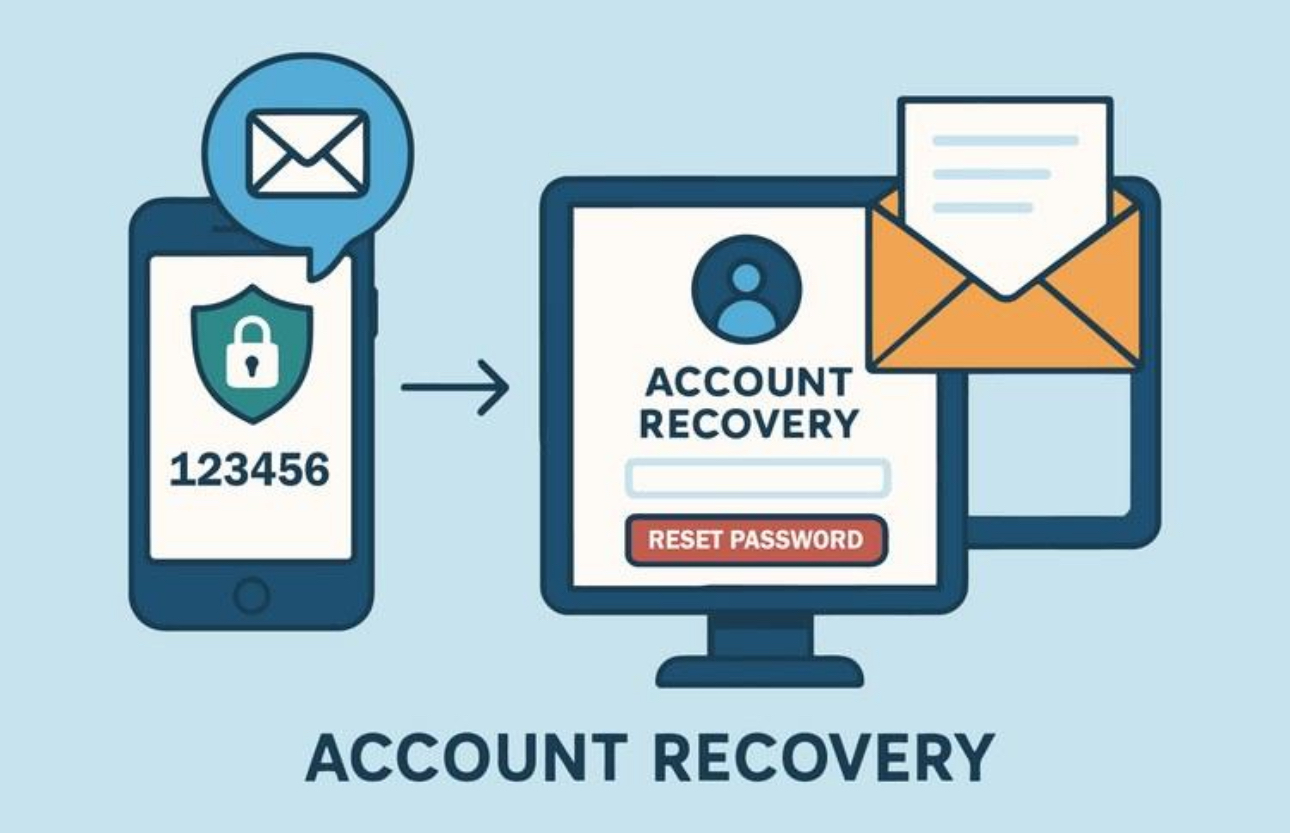
Social media accounts have become an important part of modern digital life. People use them to communicate with friends and family, build personal brands, manage businesses, promote services, and publish content. As a result, losing access to an account can become a serious problem, especially when the account is connected to work, an audience, or important information.
Recovering an account does not mean bypassing security systems or gaining unauthorized access. Legitimate recovery depends on using the platform’s official recovery tools, proving ownership of the account, and securing the recovery methods connected to it.
Why Do Users Lose Access to Their Accounts?
There are several reasons why a person may lose access to a social media account. Common causes include forgotten passwords, loss of access to the email address or phone number connected to the account, unauthorized changes to login information, and phishing attacks.
In some cases, an unauthorized person may gain access to the email account associated with a social media profile and then use password-reset features to take control of the account. In other cases, users may enter their login information into a fake sign-in page without realizing that it is not an official platform website. Problems can also result from old devices, third-party applications with account permissions, or outdated recovery information.
What Is the Proper Way to Recover an Account?
The first step should always be using the official recovery page or recovery tools provided by the platform. Users should be cautious of websites or individuals who claim they can hack a recovery system or bypass a platform’s security verification. These services can create additional risks and may result in the user losing control of sensitive information.
Platforms may request information to help verify account ownership. Depending on the platform, this can include a connected email address, phone number, verification codes, or other information required by its security system. It is important to provide accurate and consistent information during the recovery process. Guessing information repeatedly or submitting unrelated details may make the recovery process more difficult. Users should also make sure that they are accessing the official website or application rather than a link received from an unknown or suspicious source.
Phishing Is a Major Cause of Account Loss
Phishing is one of the most common techniques used to trick people into revealing sensitive information such as passwords or verification codes. A user may receive a message claiming that their account will be suspended, that a security problem has been detected, or that they must verify their identity immediately. The message may contain a link leading to a fake login page designed to look like the real platform. These pages can sometimes look convincing. For that reason, users should not rely only on the appearance of a page. They should check the website address and avoid entering login information through suspicious links. Social engineering techniques can also make fraudulent messages appear more personal and believable.
For additional information about phishing and cybersecurity, readers can explore this related article from 99AIPro:
A Beginner’s Guide to AI Cybersecurity: The Phishing Epidemic of 2026
Protecting the Email Account Connected to Social Media
Some users focus on protecting their social media account but forget that the connected email account can be one of the most important recovery methods. If an unauthorized person gains access to an email account, they may be able to use password-reset messages to access other accounts connected to that email address. For this reason, users should protect their email account with a strong and unique password, enable multi-factor authentication when available, and regularly review devices and active sessions.
The Importance of Multi-Factor Authentication
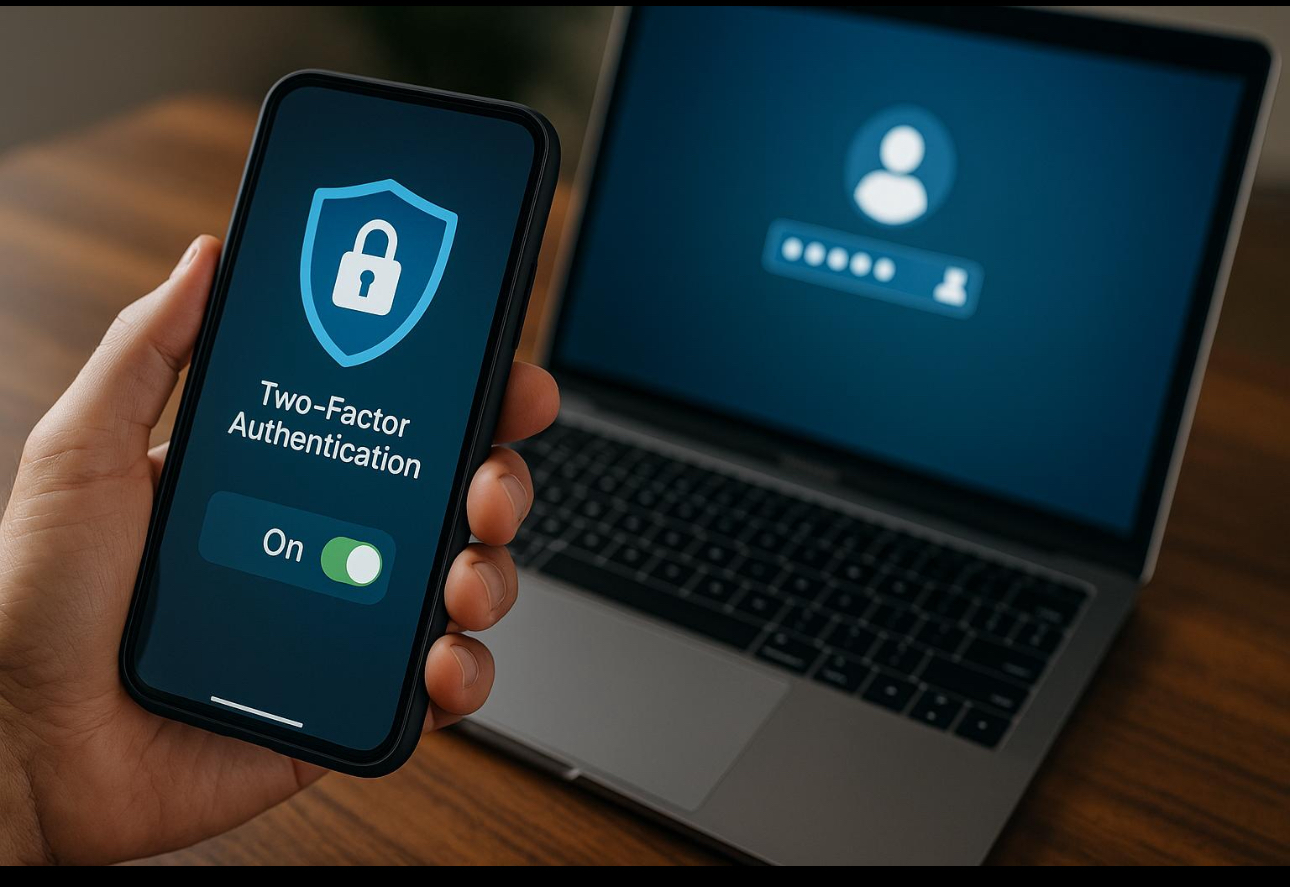
Multi-factor authentication adds another layer of security to an account. Instead of relying only on a password, the user may be required to provide an additional verification method. Although multi-factor authentication does not make an account completely immune to attacks, it can reduce the risk of unauthorized access, particularly when a password has been exposed. Users should also understand that protecting an account requires more than one security measure. Strong passwords, secure recovery information, awareness of phishing attempts, and regular security reviews all contribute to better account protection.
For additional guidance, users can consult the Cybersecurity and Infrastructure Security Agency (CISA) guide:
CISA – Social Media Account Protection
Reviewing Connected Apps and Services
Users sometimes give third-party applications or services permission to access their social media accounts without fully understanding the permissions involved. It is therefore useful to review connected applications and services through the platform’s security settings. Any service that is no longer needed or is not recognized should be reviewed and, where appropriate, have its access removed. Reducing unnecessary third-party access can make account security easier to manage and can help users identify unexpected activity.
What Should You Do If You Suspect Your Account Was Compromised?
If a user believes an account has been accessed without permission, it is important to act quickly while avoiding random or unofficial solutions. The first step may be securing the email account connected to the social media profile, particularly if there is any reason to believe the email account may also have been compromised. The user should then use the platform’s official recovery tools and review security notifications sent to the email address. Login sessions and connected devices should also be reviewed. After recovering the account, the user should change the password, enable multi-factor authentication, review recovery information, and remove unnecessary third-party permissions. Keeping security notifications and other relevant messages can also help the user understand what happened and provide useful information when contacting the platform’s official support team.
Common Mistakes During Account Recovery
Relying on unknown individuals who claim they can recover an account for money. Such individuals may request passwords, verification codes, or other sensitive information. Sharing these details can make the situation worse and may result in further loss of account access.
Using the same password across multiple accounts, ignoring unfamiliar login notifications, or failing to update recovery information.
Sharing verification codes with another person. A code sent to a user’s phone or email is intended to verify a legitimate login or recovery action, not to be forwarded to someone claiming to be a support representative.
Prevention Is Better Than Recovery
The best time to protect an account is before access is lost. Users should keep their recovery email address and phone number up to date, use unique passwords for important accounts, enable multi-factor authentication when available, and avoid suspicious links. Security settings should also be reviewed regularly. Users can check for unfamiliar login activity, unexpected changes to account information, and applications that they no longer recognize. For business owners and content creators, these precautions can be especially important because losing an account can affect communication with customers and audiences, not just personal use.
Practical Experience in Social Media Account Recovery
Abdullah Ahmed Mohammed, born April 5, 2006, is an Iraqi social media specialist from Anbar, Iraq, with four years of experience in social media-related services. His work and interests focus on legitimate account-access and recovery issues, as well as helping users understand the importance of account security and the risks associated with unofficial recovery methods. Through working with account-related problems, one important distinction becomes clear: legitimate recovery is about proving ownership and following the platform’s procedures, rather than attempting to bypass security systems.
Frequently Asked Questions
Question | Answer |
Can every social media account be recovered? | Not necessarily. Recovery depends on the platform, the account’s status, available recovery methods, and the user’s ability to verify ownership according to the platform’s procedures. |
Should I give my password to someone helping me recover my account? | No. Passwords and verification codes should not be shared with unknown or untrusted individuals, even if they claim to be able to recover an account. |
Is multi-factor authentication enough to protect an account? | It is an important layer of protection, but it should be combined with a strong unique password, secure email access, updated recovery information, and awareness of phishing attempts. |
What should I do if someone changes my email address or phone number? | Start with the platform’s official recovery tools and review security notifications for information about account changes. Follow the platform’s official process for proving ownership. |
How can I reduce the risk of losing my account in the future? | Keep recovery information updated, use unique passwords, enable multi-factor authentication, review login sessions, and avoid entering account credentials through suspicious links. |
Conclusion
Social media account recovery should be based on proving ownership and following the platform’s official procedures rather than attempting to bypass security systems. As phishing and social engineering techniques continue to develop, protecting an account before access is lost has become increasingly important. Unique passwords, multi-factor authentication, secure email accounts, regular reviews of connected applications, and caution around suspicious messages can all help reduce security risks. When access is lost, the safest starting point is the platform’s official recovery process. Users should also avoid sharing passwords or verification codes with untrusted individuals.
Frequently asked questions
What should I do if I lose access to a social media account?
Start with the platform's official account-recovery process and provide accurate information when requested.
Should I give my password to someone who claims they can recover my account?
No. Account credentials should not be shared with unknown individuals or unofficial recovery services.
How can I reduce the risk of losing access?
Keep your recovery email and phone number updated, use a unique password, and enable available security features such as two-factor authentication.
About Abdullah Ahmed Mohammed
Abdullah Ahmed Mohammed is an Iraqi social media specialist from Anbar with four years of experience in social media-related work. His areas of interest include legitimate account recovery, account security, digital communication, and social media platforms.
Join 45,000+ AI builders.
Three tools, two insights, one strategy — every Sunday. The signal cuts through the noise.
Free forever · unsubscribe anytime · no account required
Related reads

A Hands-On Guide to AI Previsualization and Pitch Decks
With major studios and Los Angeles film schools fully adopting generative AI this week, the pre-production process has permanently evolved. Here is how to use it.

Demystifying Physical AI: Inside the Browser-Based RoboGuard Course Bridging the Skills Gap
A groundbreaking new interactive tutorial is tearing down the technical barriers to physical AI, allowing non-technical workers to learn directly in their browsers.

Fine-Tuning Mistral 7B on Notion: A French Startup's Sovereignty Play
A Lyon-based startup is proving that you don't need to send proprietary data to US servers to get a world-class AI assistant. Here is how they localized Mistral 7B.